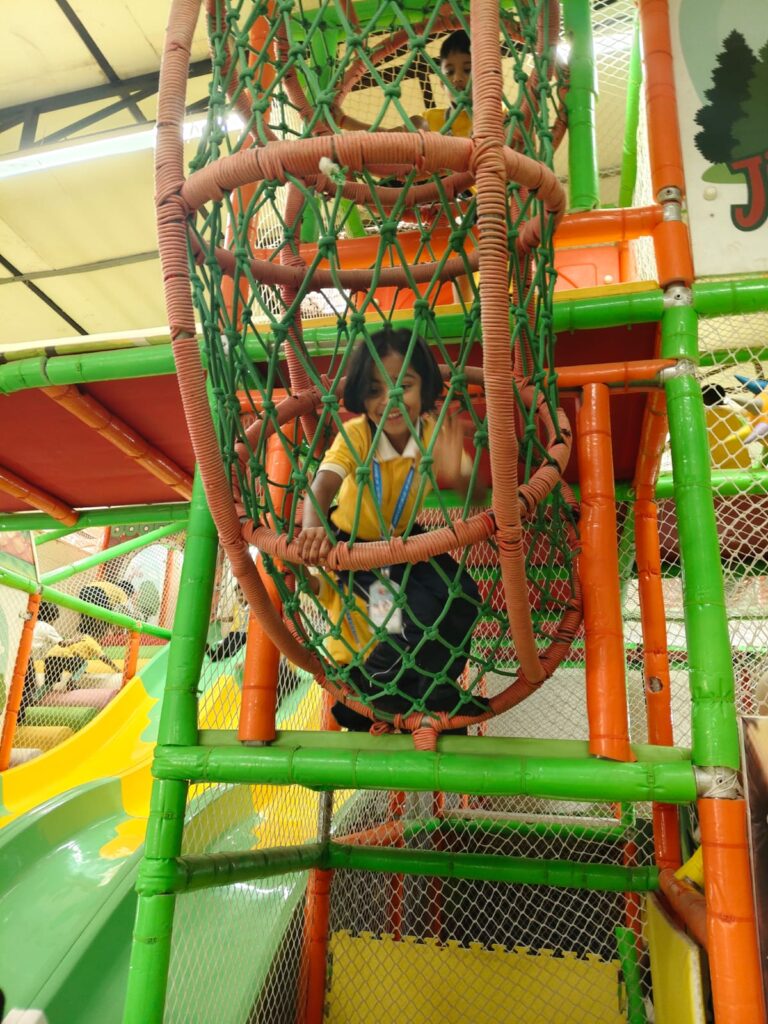
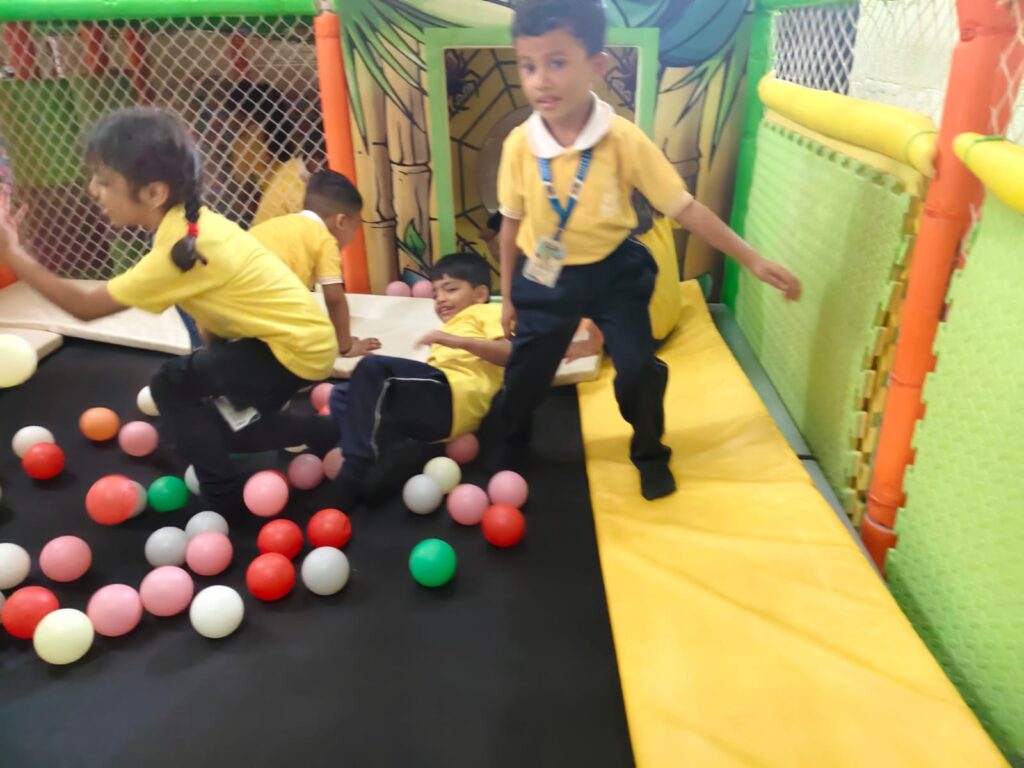
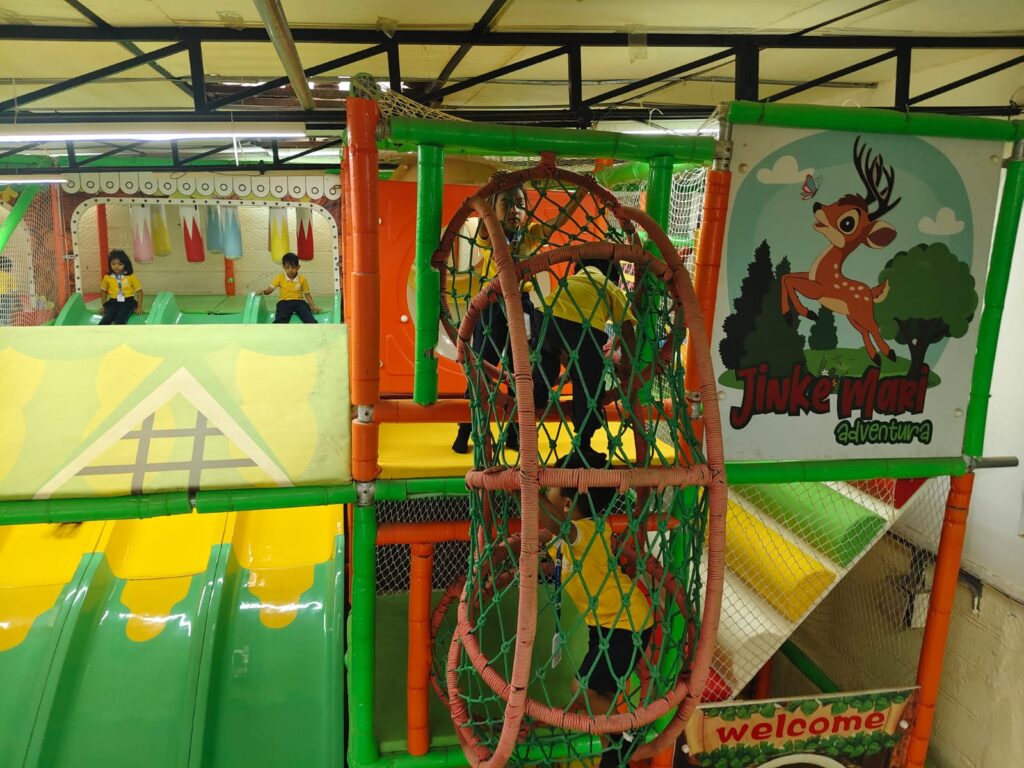
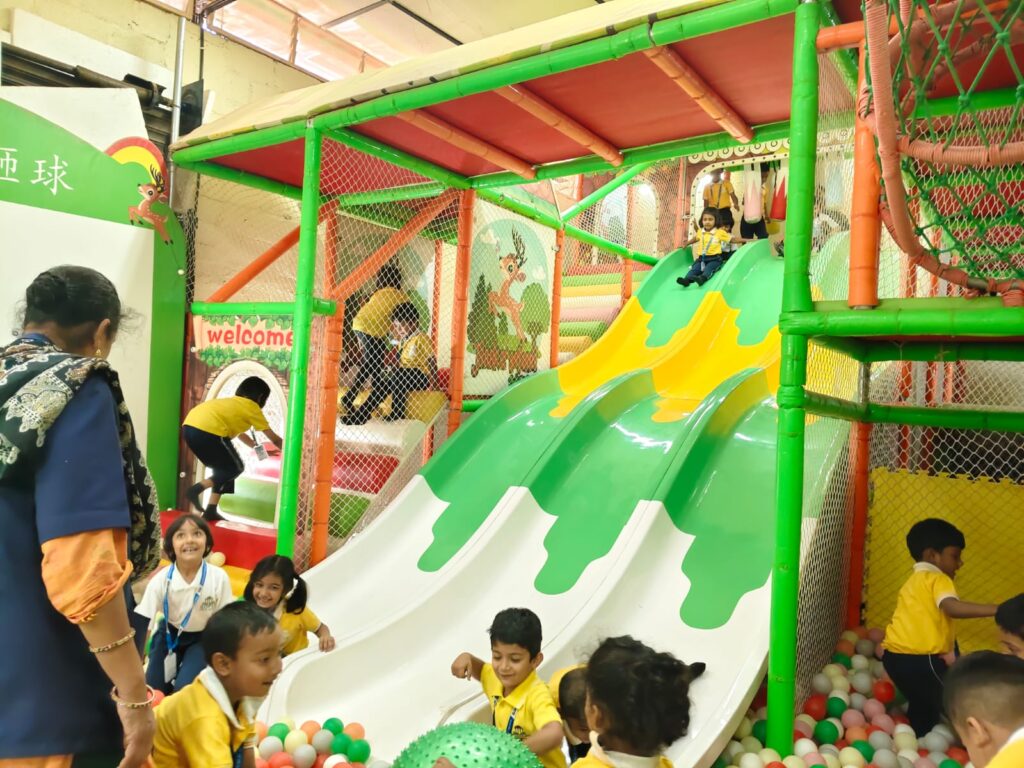
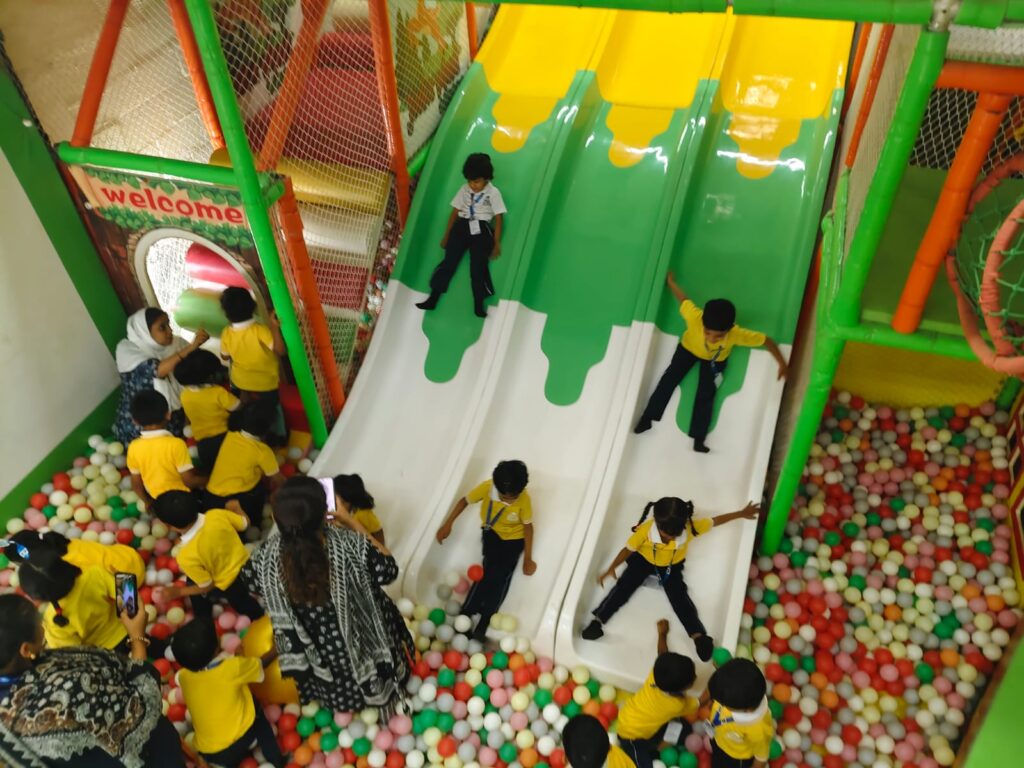
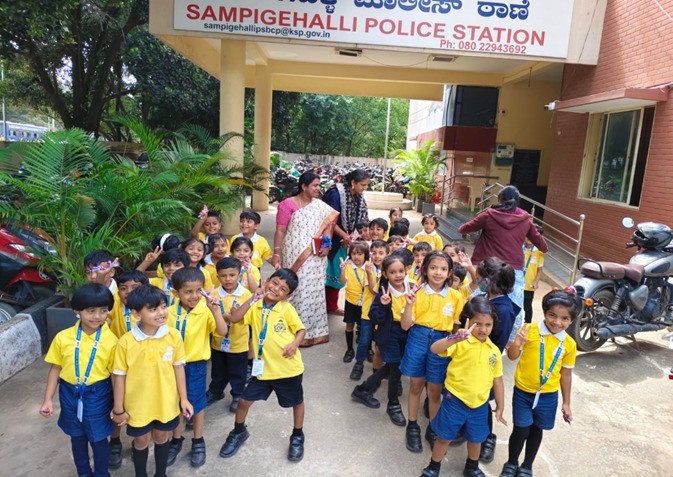
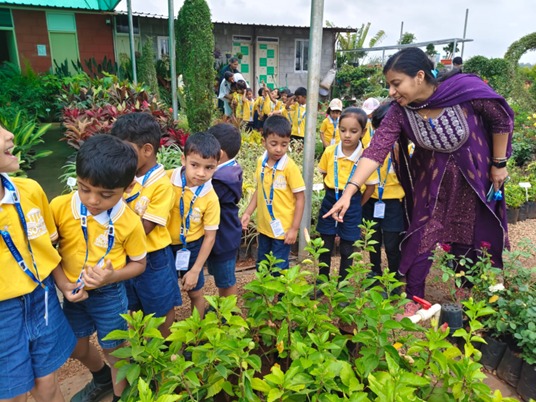
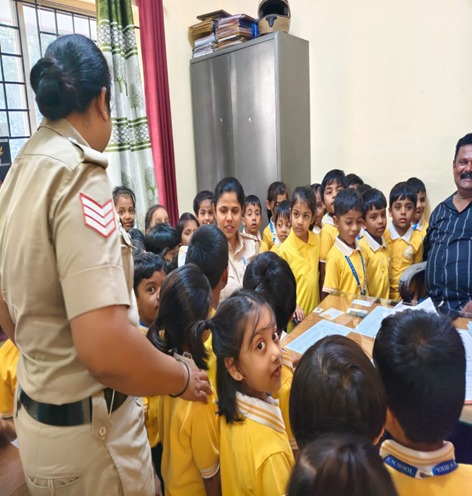
Field trips in pre-schools are an important part of early childhood education. They provide young children with opportunities to explore, observe, and learn through real-life experiences outside the classroom. At the pre-primary level, children learn best when they actively engage with their surroundings, making field trips a powerful tool for experiential learning.
Importance of Field Trips in Pre-Schools
- Learning Through Experience
Pre-school children understand concepts better when they see and experience them directly. Visiting places such as parks, farms, supermarkets, post offices, or fire stations helps children connect classroom learning with the real world.
- Enhances Observation Skills
Field trips encourage children to notice colours, sounds, shapes, people, animals, and environments around them. This strengthens their observation and thinking skills.
- Develops Communication Skills
Children interact with teachers, peers, and community helpers during trips. They learn new vocabulary and improve their speaking and listening abilities.
- Encourages Social Development
Travelling and exploring together teach children sharing, cooperation, teamwork, patience, and following instructions.
- Builds Confidence and Independence
New experiences help children become more confident, curious, and independent learners.
- Makes Learning Fun and Meaningful
Field trips break classroom routine and create joyful learning experiences that children remember for a long time.
- Supports Holistic Development
Field trips contribute to cognitive, language, physical, emotional, and social development, which are essential during the early years.